Plum maturity grid
Six orchards shifted from colour-only picking to firmness and soluble-solids windows for a two-week export programme.
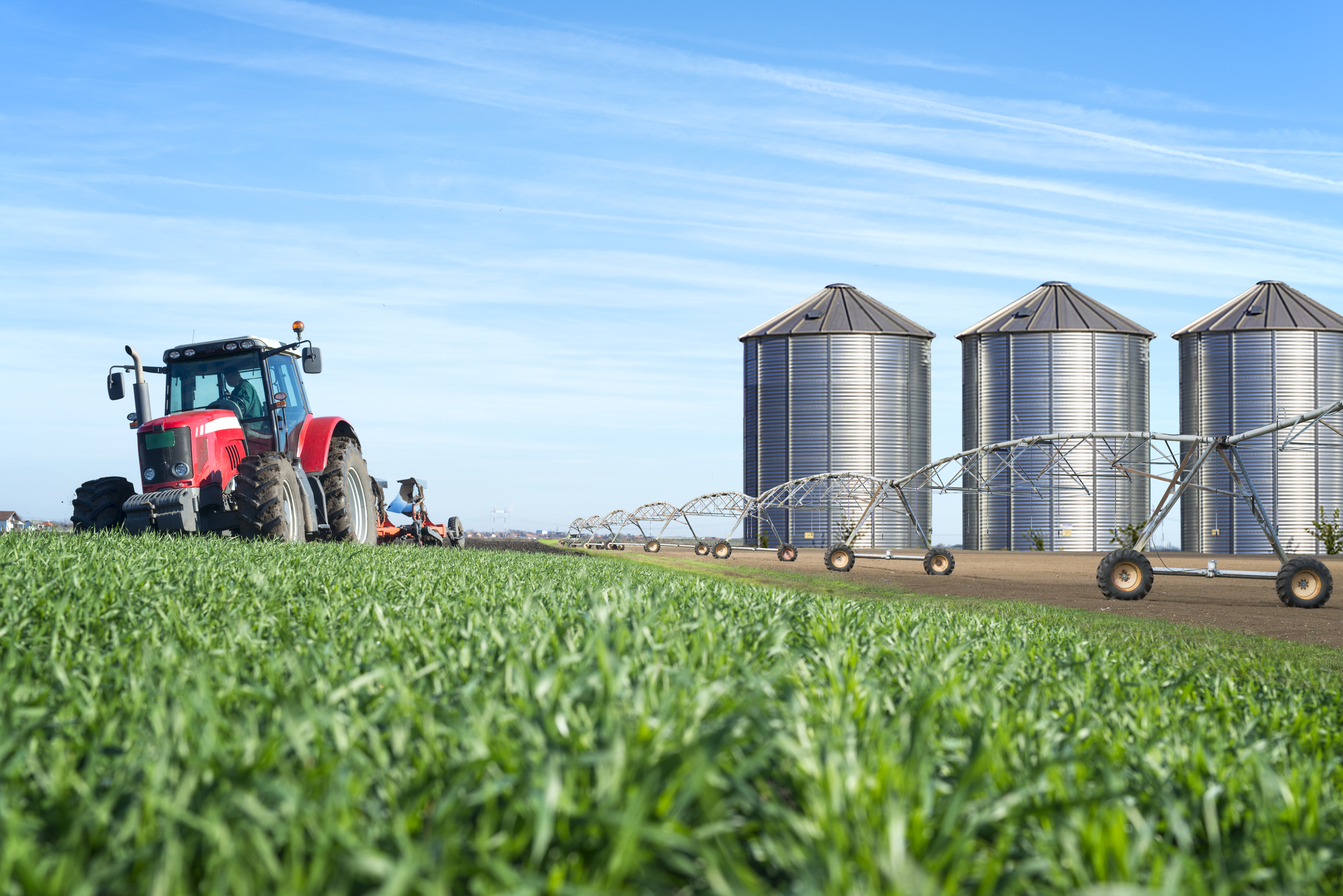
143 · Premium fruit cooperative / export packhouse
Pack fruit by maturity and market, not by wishful colour.
31
grower members
4.2 h
fictional median field-to-pre-cool
93%
packed lots traced to orchard block
2
declared grade channels before waste
About
Orchard 31 is a fictional grower cooperative packing stone fruit and pome fruit for regional retailers and selected export programmes. Harvest maturity, cooling, defect tolerances and grower returns are visible parts of the brand.
This identity is organised around the packed lot, because the organisation becomes credible when the public can follow the same unit practitioners use internally.
The record is not decorative: orchard block, harvest date, maturity reading, pack grade, cooling curve and market allocation. That evidence changes how work is scoped, handed over and remembered.
Work register
Six orchards shifted from colour-only picking to firmness and soluble-solids windows for a two-week export programme.
Sound fruit outside cosmetic export grade moved into a clearly labelled regional pack instead of disappearing into anonymous disposal.
Pallet spacing and fan sealing reduced average pull-down time during the hottest harvest week.
Capabilities
Cooperative packing is scoped through the packed lot, with orchard block, harvest date, maturity reading, pack grade, cooling curve and market allocation. The boundary, exclusions and handover evidence are stated before work begins.
Pre-cooling is scoped through the packed lot, with orchard block, harvest date, maturity reading, pack grade, cooling curve and market allocation. Capacity, constraints and decision ownership stay visible from intake to closeout.
Retail programmes is scoped through the packed lot, with orchard block, harvest date, maturity reading, pack grade, cooling curve and market allocation. The boundary, exclusions and handover evidence are stated before work begins.
Export lot preparation is scoped through the packed lot, with orchard block, harvest date, maturity reading, pack grade, cooling curve and market allocation. Capacity, constraints and decision ownership stay visible from intake to closeout.
Team / responsibility map
Packhouse manager
Carla January leads packhouse manager and owns the decisions that touch each packed lot. The role is described by responsibility, not decorative biography.
Grower technical lead
Thulani Maseko leads grower technical lead and owns the decisions that touch each packed lot. The role is described by responsibility, not decorative biography.
Market programmes
Mia Fourie leads market programmes and owns the decisions that touch each packed lot. The role is described by responsibility, not decorative biography.
Process
Gate 1
Sample maturity is the entry control point for a packed lot. The team records orchard block, harvest date, maturity reading, pack grade, cooling curve and market allocation so the next decision is made from an explicit state, not memory or assumption.
Gate 2
Pick by block is the next control point for a packed lot. The team records orchard block, harvest date, maturity reading, pack grade, cooling curve and market allocation so the next decision is made from an explicit state, not memory or assumption.
Gate 3
Cool fast is the next control point for a packed lot. The team records orchard block, harvest date, maturity reading, pack grade, cooling curve and market allocation so the next decision is made from an explicit state, not memory or assumption.
Gate 4
Pack to declared grade is the next control point for a packed lot. The team records orchard block, harvest date, maturity reading, pack grade, cooling curve and market allocation so the next decision is made from an explicit state, not memory or assumption.
Detail / field notes
Colour is only one maturity signal. A working note from Orchard 31 on the decisions hidden inside premium fruit cooperative / export packhouse. It connects the claim back to packed lot and names where professional judgement or uncertainty remains.
Cooling delay consumes shelf life invisibly. A working note from Orchard 31 on the decisions hidden inside premium fruit cooperative / export packhouse. It connects the claim back to orchard block, harvest date, maturity reading, pack grade, cooling curve and market allocation and names where professional judgement or uncertainty remains.
Cosmetic grade should not be confused with eating quality. A working note from Orchard 31 on the decisions hidden inside premium fruit cooperative / export packhouse. It connects the claim back to orchard block, harvest date, maturity reading, pack grade, cooling curve and market allocation and names where professional judgement or uncertainty remains.
FAQ
Q01
Yes when crop volume, food-safety systems and cooperative commitments fit the packhouse programme. Membership decisions are published through the cooperative.
Q02
No. Lots are packed to programme requirements, but border, inspection and market conditions remain outside a packhouse guarantee.
Q03
Sound fruit is redirected where possible to local packs or processing; disposal reasons are recorded separately from cosmetic downgrades.
Contact / conversion